
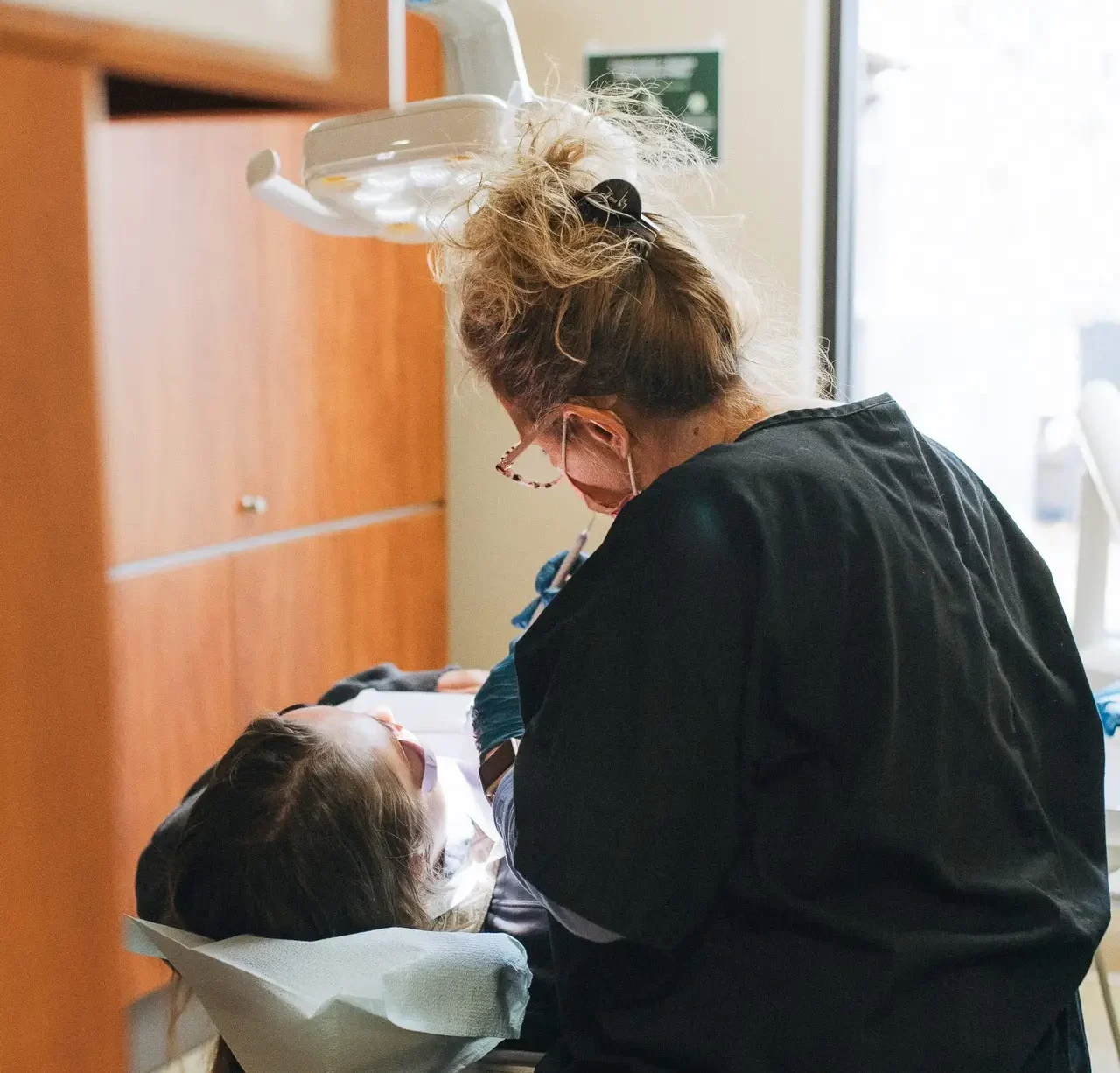
Dental emergencies often happen when you least expect them and knowing how to respond can make all the difference for your oral health. While some concerns can wait for a regular appointment, others need quick attention to prevent them from becoming more serious. At My Community Dental Centers, we’re here to support you as you decide when it’s time to reach out or make a change to your dental routine. Here’s what to know about dental emergencies: what they are, how to recognize them, and when it’s time to speak with your dentist.
What Is a Dental Emergency?
A dental emergency is any issue involving your teeth, gums, or mouth that requires immediate attention to stop bleeding, relieve severe pain, treat an infection, or save a tooth. Delaying a trip to the dentist can lead to further health risks or permanent damage.
Typically, dental emergencies are caused by trauma, infection, decay, or underlying health conditions.
Common Types of Dental Emergencies
Dental emergencies can take many forms. Here are some of the most common situations that require dental emergency care:
- Severe Toothache: A persistent or intense toothache may be a sign of an underlying issue such as abscess, deep decay, or infection. If the pain is throbbing, sharp, or accompanied by swelling or fever, you should reach out to your dentist immediately.
- Chipped, Cracked, Broken, or Knocked-Out Tooth: Not all chips are emergencies, but if the break is painful, bleeding, or exposes the inner layers of the tooth, you should call your dentist right away. Save any broken pieces and rinse your mouth with warm water. If the tooth is completely knocked out, gently clean the tooth and try to place it back in its socket. If this is not possible, then store the tooth or any broken pieces in milk or saliva (not water!).
- Swelling or Abscess: Swelling in the face or gums can indicate a serious infection, especially if it is accompanied by pain, fever, or a bad taste in your mouth. An untreated dental abscess can lead to serious health complications and needs immediate treatment.
- Uncontrolled Bleeding: Bleeding in the mouth that doesn’t stop after 10-15 minutes of pressure, whether due to injury, gum disease or an underlying health condition, should be treated as a dental emergency.
What to Do in a Dental Emergency
If you’re experiencing a dental emergency, keep these steps in mind to protect your health until you can see a professional:
- Rinse your mouth with warm saltwater to clean the area.
- Apply a cold compress to the outside of your mouth to reduce swelling.
- Control any bleeding with gentle pressure using a clean cloth or gauze.
- Place the tooth or tooth fragment in milk or saliva if it cannot be reinserted.
- Call your dentist, emergency dental care provider, or search ‘emergency dental care near me’ as soon as possible.
When to Visit the Emergency Room
Some situations go beyond the scope of dental care and require medical attention. You should go to the emergency room immediately if you experience:
- Trauma to the head or neck
- A broken or dislocated jaw
- Excessive or uncontrollable bleeding
- Severe, persistent pain that doesn’t improve with over-the-counter medication
- Difficulties breathing and/or swallowing
If you’re unsure whether you need to visit a dental office or the ER, give us a call. We’ll help you determine the best next step for your care.
MCDC is Here for You: What You Can Expect
At My Community Dental Centers, we know how overwhelming dental emergencies can be, but you don’t have to navigate them alone. Our team does everything we can to accommodate urgent needs, but there are a few important things to know before you arrive:
Emergency visits are handled on a first come, first served basis. These appointments fit into our schedule during cancellations or between existing appointments. Because of this, we cannot guarantee immediate availability or same-day treatment.
Here’s how to improve your chances of being seen quickly:
- Arrive as early as possible – we recommend coming in as soon as we open.
- Call ahead if it’s later in the day to find out what options may still be available.
While immediate appointments aren’t always possible, our team will assess your situation over the phone, provide symptom relief tips, and guide you to the right next step, including referrals to other providers or local hospitals if needed.
In some cases, resolving a dental emergency may require multiple steps or follow-up visits to fully address the problem.
We’re committed to providing compassionate, timely dental emergency care when you need it most. If you’re unsure whether your symptoms require urgent attention, don’t hesitate to reach out. Our team is here to support you, answer your questions, and help you get the care you deserve.
Contact us today to learn more about preventive and emergency dental care, or to schedule your appointment.
